
Blinds for Commercial Spaces: Tips and Information You Need to Know

Nobody warns you about the windows when you take on a commercial space. You think about the lease, the fit-out, the signage, and the staff.
And then one afternoon, the sun comes in at that angle, hits three of your computer screens directly, and you realise that something as straightforward as window treatment has, unbeknownst to you, been costing you in productivity, energy bills, and perhaps even the first impression your clients make before they even sit down.
Blinds for commercial spaces in South Africa are a more considered decision than most business owners could imagine.
The right choice depends on the type of space, the direction the windows face, the working conditions of the people inside, and the image the business wants to project.
Getting it right is not complicated, but it does require a little more thought than picking a random option from a catalogue.
The Light Problem Is a Real Problem
South Africa’s climate means businesses deal with intense sun for the better part of the year.
In Gauteng, the Lowveld, the Northern Cape, and along much of the coast, east and west-facing windows can generate significant heat gain and glare during working hours.
Studies consistently show that glare on screens reduces productivity and increases error rates.
The World Green Building Council has even noted that access to good quality light, which means controlled, not blinding light, is one of the strongest environmental drivers of workplace performance.
For commercial spaces, the way you shield the sun is actually a business concern. The right blinds will manage your solar heat gain, reduce the glare on screens, and maintain visibility into the space from the street, which matters a lot if you want your customers to do a little window shopping.
The wrong blinds will either block everything or do nothing useful at all.
Which Blind Type Suits Which Commercial Space
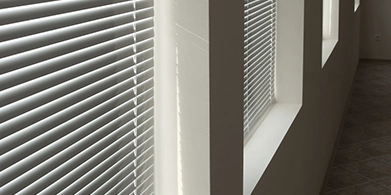
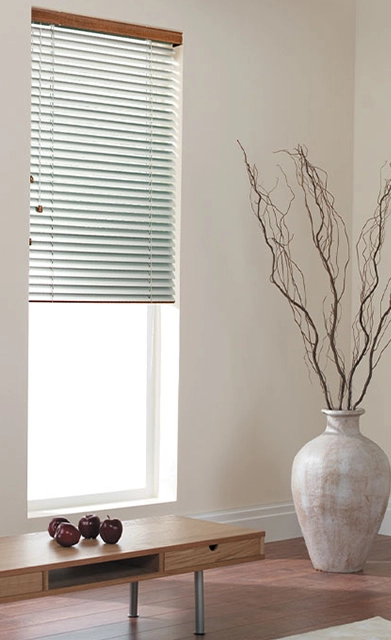
Vertical blinds will always be the practical workhorse of commercial interiors. They suit large windows and sliding doors, they are super easy to clean, and they handle high-traffic environments well. In open-plan offices, call centres, and retail back offices, they are the default for good reason. They might not be the most refined option, but they are dependable and cost-effective at scale.
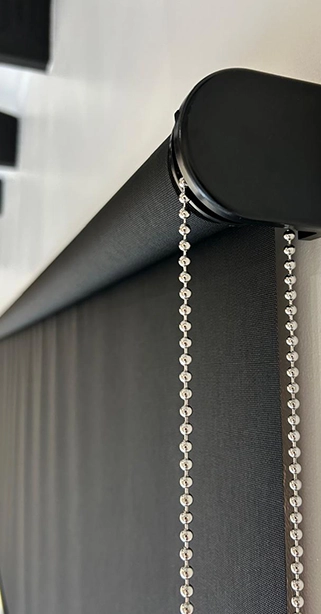
Roller blinds have become the more design-conscious choice for client-facing commercial environments.
A quality blackout roller blind is also suitable in a boardroom, changing the entire functionality of the space for presentations.
A screen fabric roller blind in a showroom or reception area can filter light without closing the space off. The fabric choice matters enormously here: screen fabrics are rated by openness factor, typically between 1% and 10%, and selecting the right rating for the window orientation is the difference between a blind that works and one that frustrates.
For hospitality environments, hotels, lodges, restaurants, and guesthouses, an approach that uses a sheer or screen blind paired with a blackout blind gives guests full control without compromising the room’s aesthetic during the day.
This combination has become the standard in the South African hospitality sector for exactly that reason.
South African building regulations and green star rating systems increasingly recognise solar control glazing and window treatment as part of a building’s energy performance.
For businesses pursuing a green building certification or simply trying to reduce air conditioning costs, appropriate window blinds are a recognised and measurable intervention.
Motorisation in Commercial Spaces
Motorised blinds have crossed from premium residential into practical commercial territory.
In spaces with high or difficult-to-reach windows, a motorised system can be an excellent maintenance solution. Manually operated blinds in hard-to-reach positions often simply stop being adjusted, which means the investment in the blind itself is wasted.
Motorised systems, particularly those that integrate with building management systems or smart timers, also contribute to a building’s energy efficiency by automating solar control throughout the day.
The cost difference between motorised and manual blinds has narrowed considerably in the South African market over the past few years, and for new commercial fit-outs of any scale, the conversation is worth having upfront rather than retrofitting later.
Durability and Maintenance Are Not Optional Considerations
A commercial blind takes significantly more daily use than a residential one. The fabric, the mechanism, and the installation method all need to be specified with that in mind.
In environments with high foot traffic or where you need to make frequent adjustments, a blind specified for residential use will deteriorate quickly and cost more over a three-year period than a commercial-grade product would have at the outset.
Cleaning frequency and methods are also factors to think about. In food service environments, healthcare settings, or any space with dust or grease, easy-wipe fabrics and simple mechanisms reduce maintenance burden considerably. This is the kind of detail that will make a big difference to operating costs over time, and yet it is often overlooked at the specification stage.
Ask for a Quote
Manley Blinds works with commercial clients across South Africa to specify, supply, and install blinds suited to the actual demands of each space. If your priority is solar control, acoustics, aesthetics, or ease of maintenance, the right solution is always one that was chosen with the building and the people in it in mind.
Frequesntly Asked Questions
What are the best blinds for commercial spaces in South Africa?
The best blinds for commercial spaces in South Africa depend on the type of environment and the primary requirement. For open-plan offices and high-traffic back-of-house areas, vertical blinds are durable, low-maintenance, and cost-effective at scale. For client-facing spaces such as boardrooms, reception areas, and showrooms, roller blinds in screen or blackout fabrics provide a cleaner aesthetic and better solar control. Hospitality environments typically use a dual-blind system combining a sheer or screen fabric with a blackout layer for full flexibility. Motorised options are increasingly practical for large or high commercial windows and contribute to a building’s energy efficiency profile.
How do commercial blinds differ from residential blinds?
Commercial blinds are specified for higher frequency of use, greater durability, and often more demanding environmental conditions than residential blinds. The fabrics, mechanisms, and installation methods used in commercial settings are generally rated for heavier daily use, easier cleaning, and longer service life. Commercial projects also typically involve larger window sizes, multiple windows requiring consistent treatment, and considerations such as solar heat gain, privacy from the street, and compliance with building energy performance requirements. Using residential-grade products in a commercial setting generally results in faster deterioration and higher replacement costs over time.
Are motorised blinds worth it for commercial offices in South Africa?
Yes, particularly for commercial offices with large, high, or difficult-to-reach windows. Motorised blinds eliminate the maintenance problem of manually operated blinds in inaccessible positions, which often go unadjusted and therefore unused. In South Africa’s climate, automated solar control through timed or sensor-triggered motorised blinds can reduce air conditioning load meaningfully, contributing to lower energy costs. Motorised systems that integrate with building management systems are also increasingly recognised as part of a building’s green performance credentials. The price gap between motorised and manual commercial blinds has narrowed in recent years, making the specification increasingly practical for new fit-outs.
What blind fabric is best for reducing glare in an office environment?
Screen fabrics, also called solar fabrics, are the most effective choice for managing glare in office environments while maintaining outward visibility and natural light. These fabrics are rated by openness factor, typically expressed as a percentage between 1% and 10%. A lower openness factor provides greater glare and UV reduction, while a higher factor lets in more light and view. For east and west-facing office windows in South Africa, where direct sun hits workstations during peak hours, a screen fabric with a 3% to 5% openness factor typically provides effective glare control without making the space feel enclosed. Colour also plays a role: darker screen fabrics generally provide better glare reduction than lighter ones.
Do I need different blinds for a retail space versus an office in South Africa?
Yes. Retail and office environments have different blind requirements. In a retail space, the priority is often visibility from the street, controlled light levels for product display, and a clean aesthetic that supports the brand. Roller blinds in screen fabrics, or a combination of decorative and functional layers, tend to suit retail environments well. In an office, the priorities shift toward glare control on screens, thermal comfort, and privacy between workstations or floors. Vertical blinds or screen roller blinds are the more common choice. Both environments benefit from commercial-grade specification, but the fabric type, openness factor, and mechanism choice will differ based on how the space is used and who it is designed to serve.